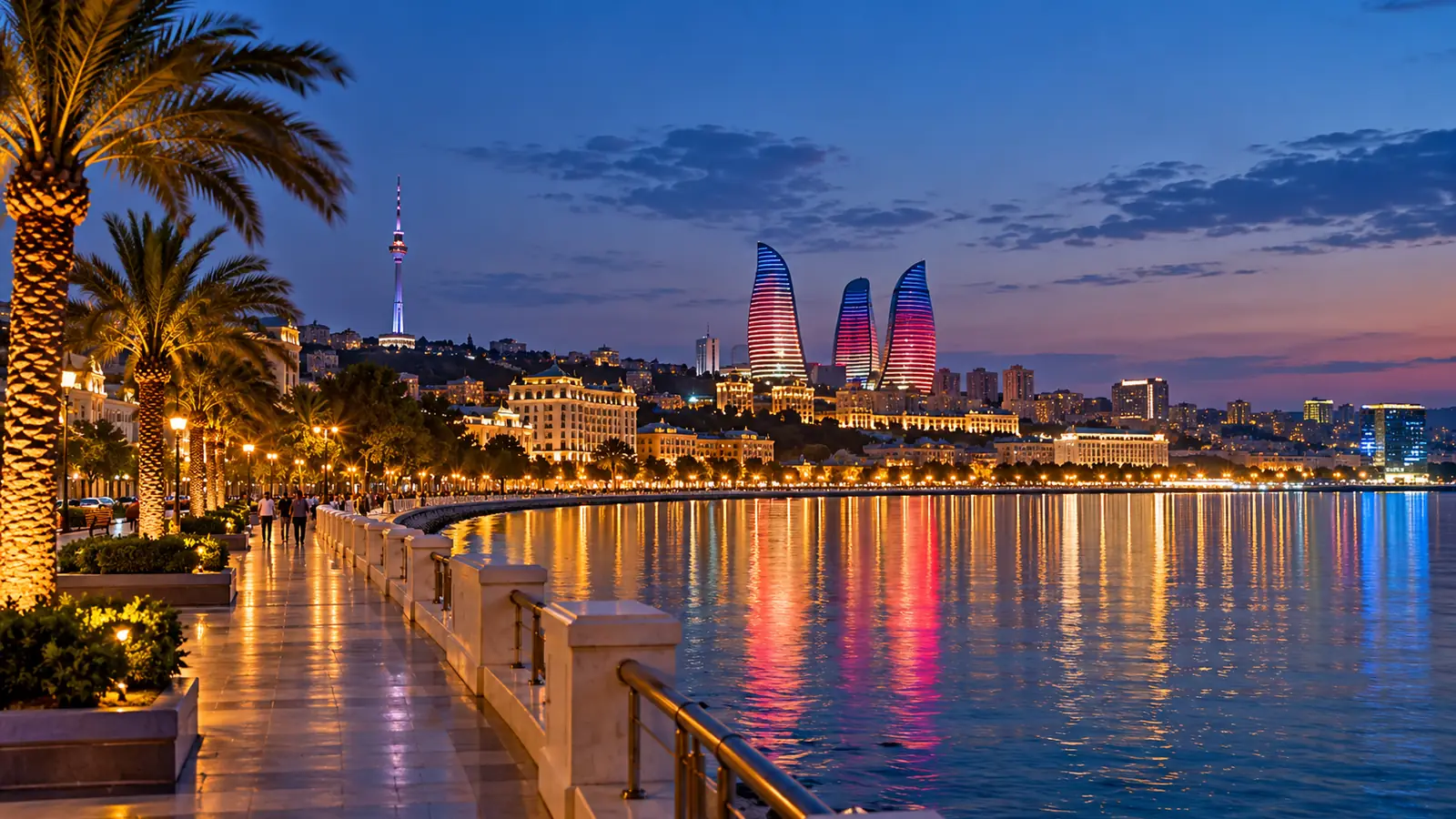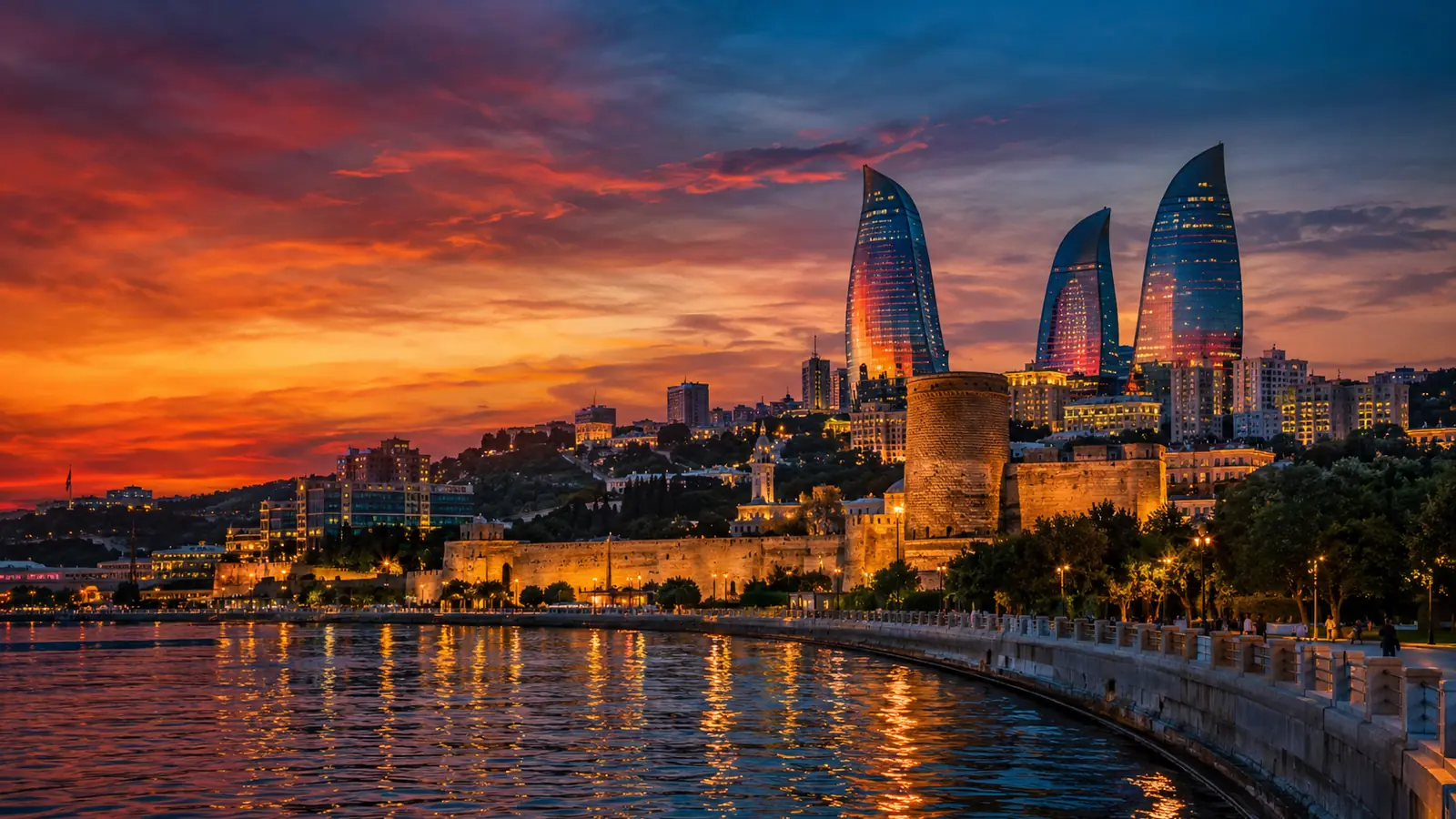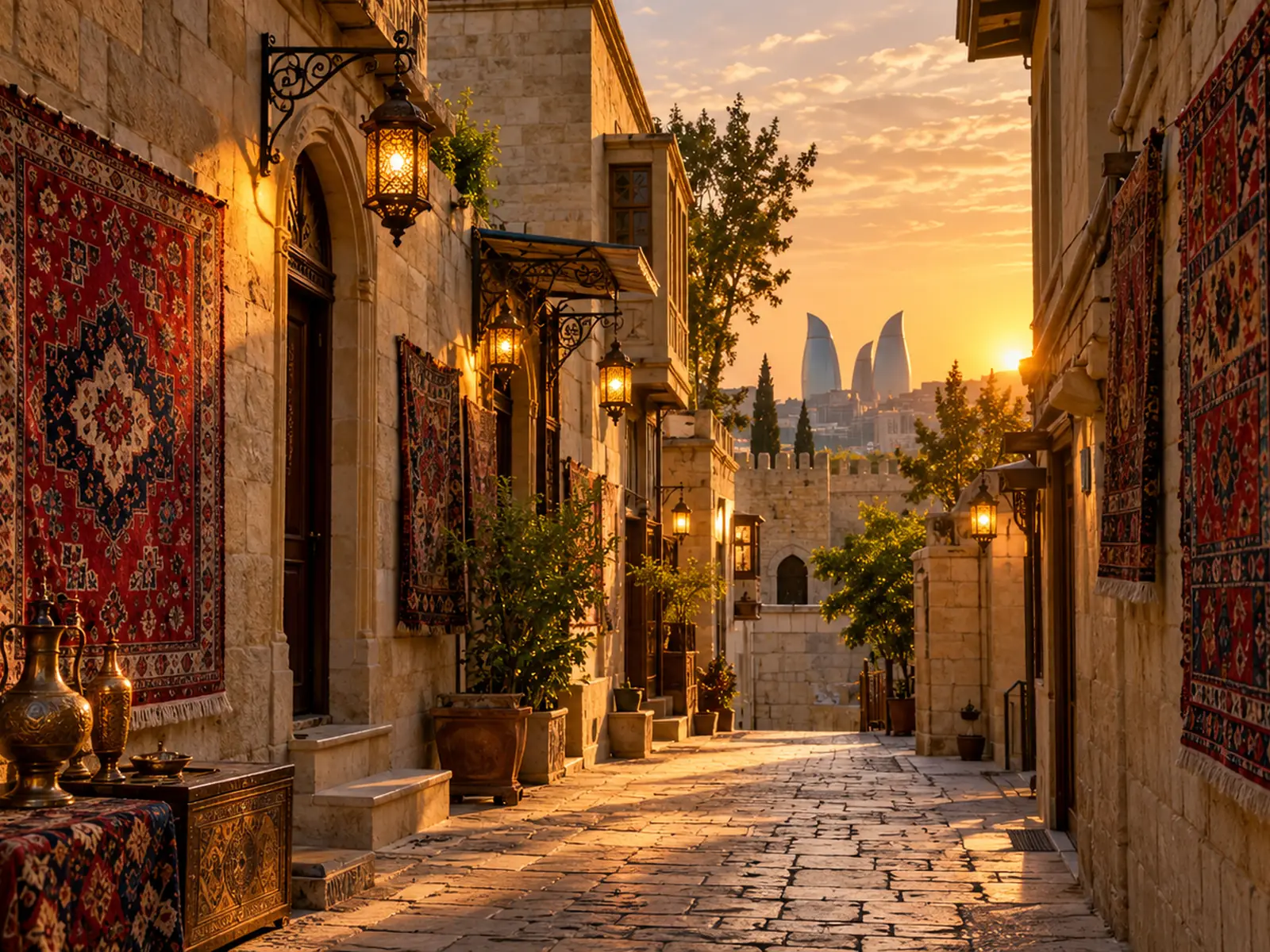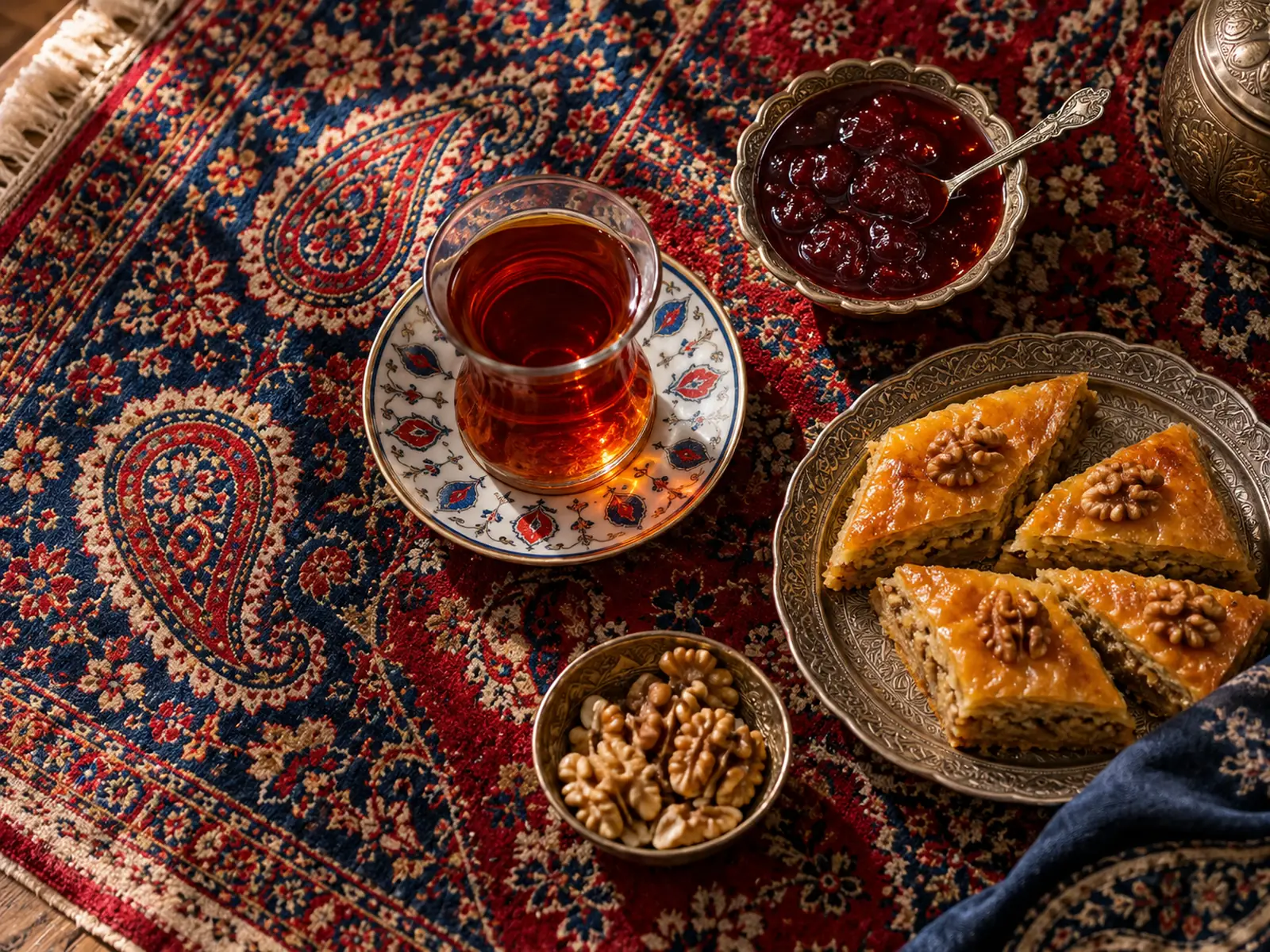
A trip to Baku is easy to plan, but a few details make the difference between a smooth holiday and an annoying one: a forgotten e-visa printout, the wrong jacket for the wind, a card that does not work abroad. This guide brings together practical Baku travel tips and a season-by-season packing list, written for Pakistani travellers.
Documents: the non-negotiables
Put these in one folder in your hand luggage:
- Passport, valid at least three months beyond your e-visa's expiry date, as the official e-visa portal requires
- Printed e-visa: the e-visa is not stamped in your passport, so print it and present it at the border
- Return or onward ticket
- Hotel booking or your host's full address in Baku
- Travel insurance covering medical treatment for your whole stay
- Photocopies of your passport and e-visa, kept separately, plus digital copies on your phone
- CNIC, for your return journey and any Pakistani formalities
If you have not applied yet, start with our Baku visa guide or the step-by-step Azerbaijan e-visa guide.
Packing for Baku's weather, season by season
Baku has four seasons and one constant: wind. Average temperatures below are from 1991–2020 climate normals; see Baku weather by month for the full table.
Spring (March to May)
Average highs rise from about 11 °C in March to about 23 °C in May.
- Light layers: T-shirts, long-sleeve shirts, a sweater
- A windproof jacket
- Comfortable walking shoes for cobbled Old City lanes
- Sunglasses and a light scarf
Summer (June to August)
Average highs of about 28–31 °C, very little rain and lots of sun.
- Breathable cotton or linen clothes
- A sun hat and sunscreen
- Sandals plus closed shoes for day trips to Gobustan and the mud volcanoes
- A light layer for air-conditioned malls and evening breezes
- Modest clothing for mosque visits
Autumn (September to November)
Average highs fall from about 26 °C in September to about 13 °C in November, which is also the wettest month.
- Layers, as in spring
- A waterproof, windproof jacket in October and November
- A compact umbrella, although strong wind can make it hard to use
Winter (December to February)
Average highs around 7–9 °C, cold winds and a few snowy days.
- A proper warm coat, ideally windproof
- Gloves, a woollen hat and a scarf
- Warm socks and waterproof shoes
- Thermal layers if you are adding the mountains at Shahdag or Gabala
Electrics, phones and the internet
- Plugs: Azerbaijan uses European-style two-pin sockets (types C and F) at 230 V. Pakistani appliances run at a similar voltage, but you will need a two-pin adapter for three-pin UK-style plugs.
- SIM cards: local SIM cards are available at the airport and in the city with your passport. A local data plan is usually much cheaper than international roaming.
- Apps: download offline maps, a ride-hailing app and a translation app before you fly.
- Power bank: useful for long sightseeing days.
Money tips
The currency is the Azerbaijani manat (AZN). Cards are widely accepted in Baku, but carry some cash for small shops, markets and some taxis. Switch on international use for your cards before you leave Pakistan. Full details are in our currency exchange guide.
Getting around Baku
- Metro: the Baku Metro has three lines and 25 stations and is the quickest way across the city. Buy and top up a rechargeable BakuCard.
- Buses: city buses also use the BakuCard.
- Taxis: use metered taxis or ride-hailing apps, and agree on the route before setting off.
- Walking: the Old City, Boulevard, Fountains Square and Nizami Street are all walkable.
- Funicular: the Baku Funicular climbs to Highland Park for city views.
Time zone
Baku is on UTC+4, one hour behind Pakistan. Set your phone to update automatically, and remember the difference when you plan calls home, check-out times and airport transfers. An early-morning arrival from Pakistan gives you almost a full extra day, but it is wise to keep the first afternoon light.
Language
Azerbaijani is the national language. Russian is widely understood, and English is common in hotels, restaurants and tourist areas. A few words go a long way:
- Salam – hello
- Sağ olun – thank you
- Bəli / Xeyr – yes / no
- Nə qədərdir? – how much is it?
Azerbaijani is a Turkic language, so travellers who know some Turkish often recognise words.
Etiquette and culture
- Hospitality: guests are honoured in Azerbaijan. Accept tea when offered; it is a sign of welcome.
- Dress: relaxed in the city; modest clothing and covered shoulders at mosques, and women may wish to carry a scarf.
- Greetings: a handshake is common between men; wait for a woman to offer her hand.
- Photography: ask before photographing people, and respect signs at government buildings.
- Tea culture: black tea in pear-shaped armudu glasses, often with jam or sugar cubes, is part of daily life.
Food and water
Halal food is easy to find across Baku. Try plov, dolma, qutab, lula kebab and pakhlava. Bottled water is widely available, and many visitors prefer it. If you have dietary needs, ask about ingredients; restaurant staff are usually helpful.
Rules every visitor should know
- Registration: if you stay more than 15 days, your place of stay must be registered with the State Migration Service. Hotels usually do this for their guests; with private stays, make sure it is done.
- Single entry: the e-visa allows one entry. Leaving for Georgia, for example, and coming back requires a new visa.
- Keep your passport handy: carry your passport or a copy when you go out.
- Customs: declare large amounts of cash and check rules before buying antiques or old carpets, which may need export documents.
Safety tips
Baku is generally considered a safe city for visitors. Use normal precautions: keep valuables in the hotel safe, use licensed taxis, avoid unofficial money changers, and keep emergency contacts saved. The Embassy of Pakistan in Baku can assist Pakistani citizens in an emergency.
Health and pharmacies
Pharmacies are easy to find in central Baku, and many common medicines are available. Even so, bring enough of any regular prescription medicine for the whole trip plus a few extra days, in its original packaging with a copy of the prescription. A small travel kit with painkillers, rehydration salts, plasters and something for an upset stomach covers most minor problems. Make sure your travel insurance includes medical treatment and keep the insurer's emergency number on your phone.
Souvenirs worth packing space
Leave room in your suitcase for the things Baku is known for: small carpets or carpet-pattern textiles, kelaghayi silk headscarves, copperware, pomegranate products, Azerbaijani tea and armudu glasses, and boxes of pakhlava or shekerbura. Ask shops to pack fragile items well, and check your airline's baggage allowance before you buy anything large.
What not to pack
Leaving some things at home makes travel easier. Avoid carrying large amounts of cash; cards are widely accepted and cash is easy to withdraw. Leave expensive jewellery at home unless you need it for a wedding or event. Check airline rules on liquids, power banks and sharp items before packing hand luggage. Do not pack medicines without their prescriptions, and avoid bringing large quantities of food that may raise questions at customs. Finally, do not pack your printed e-visa in checked baggage: it belongs in your hand luggage with your passport, because you will need it at check-in in Pakistan and again at immigration in Baku.
Your Baku packing checklist
- Passport, printed e-visa, tickets, hotel booking, insurance
- Two international cards and some US dollars
- Season-appropriate clothes plus a windproof jacket
- Comfortable walking shoes
- Two-pin plug adapter and power bank
- Sunglasses, sunscreen, lip balm
- Regular medicines with prescriptions
- A scarf for mosque visits
- A small daypack for sightseeing
Let us take care of the hard part
Packing is the easy bit. The visa is where precision matters. Send us your passport photo page and travel dates on WhatsApp, and we will check them free of charge, prepare your Azerbaijan e-visa and, if you like, plan a Baku tour that fits your dates.